


The rapid rise of artificial intelligence (AI), particularly generative AI like ChatGPT, has indeed had a profound impact on various industries, transforming the way we work and raising questions about its implications for the future of employment.
AI adoption has been swift, resembling the rapid spread of the internet in the 90s. In less than two months, ChatGPT attracted a vast user base, highlighting the widespread acceptance and utility of this technology.
The effects of generative AI on work are complex. On one hand, it has impressed companies with its speed and efficiency in performing tasks. On the other hand, it has sparked concerns among workers who fear that automation might lead to job displacement.
According to Forrester Research, generative AI has been particularly disruptive due to its instant results. This disruption is already affecting industries such as writing and graphic design. Predictions from sources like Goldman Sachs suggest that generative AI could automate millions of jobs.
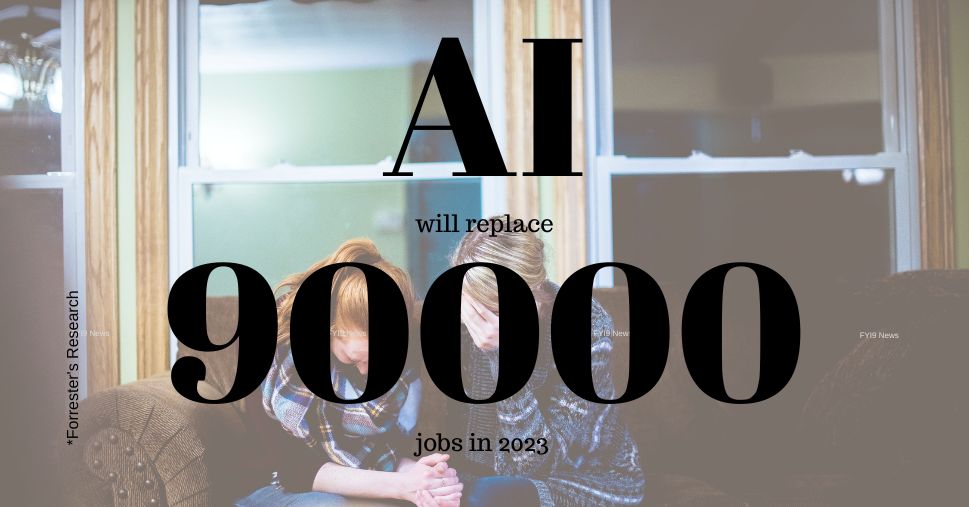
Forrester’s research indicates that automation and AI might replace 4.9% of jobs in the US by 2030, with generative AI accounting for a significant portion of these losses. It is estimated that generative AI will replace 90,000 jobs in 2023, growing to 2.4 million by 2030, primarily affecting roles that are easy to automate.
However, it’s important to note that generative AI is not just about job replacement; it’s also about job transformation. Forrester predicts that by 2030, generative AI will influence over 11 million jobs in the US, reshaping and enhancing the roles of workers. This influence will be more significant for jobs that are harder to automate, such as editors, writers, authors, and creative professionals.
Education plays a crucial role in the impact of generative AI, with workers holding bachelor’s degrees or higher expected to be more influenced by this technology. Income levels also play a part, with higher-paying jobs experiencing greater generative AI influence, up to a point. High-income managerial positions, reliant on skills like human judgment and empathy, may see less influence from AI.
In essence, while generative AI might lead to the displacement of some jobs, it is poised to transform and augment many others. Its impact will vary depending on education, income, and the nature of the work. As AI continues to evolve, it will be essential for individuals and industries to adapt and embrace the opportunities it presents while addressing the challenges it poses.
Also read – Nokia G42 5G Smartphone Price in India, Specifications, and Availability


, particularly generative AI like ChatGPT, has indeed had a profound impact on various .)