


The line between a smartphone camera and a dedicated camera has become increasingly thin. Today’s flagship phones can capture detailed photos, shoot high-quality video, handle low-light scenes and bring distant subjects closer with telephoto cameras.
The best camera phones are no longer useful only for taking casual photos. They can be used for social media content, travel photography, product photos, business videos, interviews and even professional-looking short videos.
A big reason behind this improvement is the combination of better camera sensors, optical stabilisation, telephoto lenses and powerful image processing. Artificial intelligence is also playing a bigger role in photography by improving colours, removing unwanted objects and helping phones capture difficult scenes.
The processor inside a phone is also important. Modern chipsets can process images quickly, reduce noise, improve HDR and support advanced video features.
However, choosing the best camera phone is not simply about looking at the highest megapixel number. Sensor size, lens quality, optical zoom, stabilisation, image processing and video capabilities all matter.
Here are some of the best camera phones to consider in 2026.
Best Camera Phones: Quick Picks
If you want a quick answer, these are some of the strongest options in different categories.
Best overall camera phone: iPhone 17 Pro
Best Android camera phone: Samsung Galaxy S26 Ultra 5G
Best AI photography phone: Google Pixel 10 Pro XL
Best telephoto camera: vivo X300 Pro
Best phone for video: iPhone 17 Pro
Best phone for portraits: vivo X300 Pro
Best phone for versatile zoom photography: Samsung Galaxy S26 Ultra 5G
Best Hasselblad camera phone: OPPO Find X9s
These recommendations can change depending on whether your priority is photography, video, zoom, portraits or low-light performance.
Best Camera Phones Comparison
| Phone | Main Camera | Ultrawide Camera | Telephoto Camera | Zoom Capability | Best For |
|---|---|---|---|---|---|
| iPhone 17 Pro | 48MP | 48MP | 48MP, 4x | Up to 8x optical-quality | Video & content creation |
| Samsung Galaxy S26 Ultra 5G | 200MP | 50MP | 50MP 5x + 10MP 3x | Up to 100x digital | Zoom & versatility |
| Google Pixel 10 Pro XL | 50MP | 48MP | 48MP 5x | Up to 100x Pro Zoom | AI photography |
| vivo X300 Pro | 50MP | 50MP | 200MP ZEISS APO | Long-range zoom | Portraits & telephoto |
| OPPO Find X9s | 50MP | 50MP | 50MP 3x | Up to 120x Super Zoom | Travel & portraits |
| Xiaomi 17T | 50MP | 12MP | 50MP periscope | Up to 120x AI zoom | Zoom photography |
| OnePlus 15 | 50MP | 50MP | 50MP | 3.5x optical | Everyday photography |
| Motorola Edge 70 Pro | 50MP | 50MP | — | Digital zoom | Low-light photography |
Camera specifications and features can vary by market and software version. The table is intended as a quick buying guide rather than a replacement for detailed specifications.
How We Choose the Best Camera Phones
A good camera phone needs more than a high-resolution sensor.
We look at the complete camera system. This includes the main camera, ultrawide camera, telephoto camera, optical image stabilisation, autofocus and image processing.
Low-light performance is another important factor. A phone that takes excellent photos in bright sunlight but struggles at night cannot be considered an all-round camera phone.
Video recording is also important, particularly for content creators. Features such as 4K recording, high frame rates, HDR, stabilisation and professional video controls can make a major difference.
Finally, the processor matters because modern smartphone photography depends heavily on computational photography and AI-based processing.
-
iPhone 17 Pro
The iPhone 17 Pro is one of the strongest choices for users who care about both photography and video.
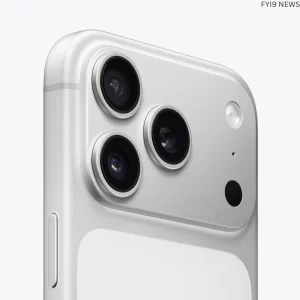
It features a 48MP Fusion Main camera, a 48MP Fusion Ultra Wide camera and a 48MP Fusion Telephoto camera. The telephoto camera offers 4x optical zoom and up to 8x optical-quality zoom. Apple also provides up to 40x digital zoom for photos.
The camera system supports features such as Night mode, macro photography, ProRAW and advanced computational photography.
Video is where the iPhone 17 Pro becomes particularly interesting. It supports 4K Dolby Vision recording and professional formats including ProRes and ProRes RAW. Apple also includes Apple Log 2 for more advanced video workflows.
The phone is powered by Apple’s A19 Pro chip, which includes a Neural Engine designed to handle demanding on-device processing.
For people who shoot Instagram videos, YouTube content, interviews or business videos, the iPhone 17 Pro is one of the best camera phones available.
Best for: Video recording, content creation, portraits and everyday photography.
-
Samsung Galaxy S26 Ultra 5G
The Samsung Galaxy S26 Ultra 5G is one of the most versatile camera phones on this list.
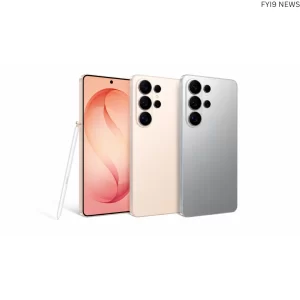
Its rear camera setup includes a 200MP wide camera, a 50MP ultrawide camera, a 50MP telephoto camera with 5x optical zoom and a 10MP telephoto camera with 3x optical zoom. It also supports 10x optical-quality zoom and up to 100x digital zoom.
This makes the Galaxy S26 Ultra particularly useful for travel, wildlife, concerts and situations where you need to photograph subjects from a distance.
Samsung has also improved its Nightography capabilities and uses AI image processing to improve difficult shots.
The phone can record 8K video at 30fps and supports 4K recording at up to 120fps in Pro Video mode.
The Galaxy S26 Ultra is powered by the Snapdragon 8 Elite Gen 5 for Galaxy platform.
Best for: Zoom photography, travel, wildlife, low-light photography and versatile Android camera performance.
-
Google Pixel 10 Pro XL
The Google Pixel 10 Pro XL takes a different approach to smartphone photography.
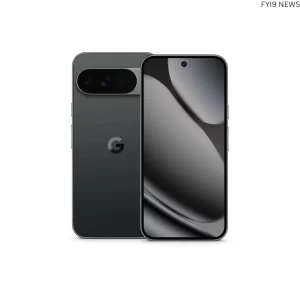
Instead of relying only on camera hardware, Google uses computational photography and AI to process images.
The phone has a 50MP wide camera, a 48MP ultrawide camera with Macro Focus and a 48MP 5x telephoto camera. It supports Pro Zoom up to 100x and optical-quality zoom at several focal lengths.
The Pixel 10 Pro XL also includes features such as Night Sight, High-Res Portrait Mode, Macro Focus, Camera Coach, Add Me and AI-powered editing tools.
Its 42MP front camera also has autofocus and a wide field of view, making it useful for selfies, group photos and video calls.
The phone is powered by Google’s Tensor G5 chipset.
For users who want a camera phone that can automatically improve difficult photographs without requiring manual camera knowledge, the Pixel 10 Pro XL is a strong choice.
Best for: AI photography, portraits, night photography and easy point-and-shoot photography.
-
vivo X300 Pro
The vivo X300 Pro is built around telephoto photography.
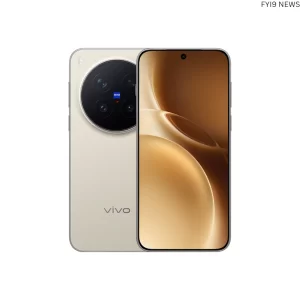
Its standout feature is a 200MP ZEISS APO telephoto camera with autofocus and optical image stabilisation. It is paired with a 50MP ZEISS main camera and a 50MP ultrawide camera.
The telephoto system is designed for subjects that are far away. It can be useful for wildlife, concerts, sports, travel and portraits.
vivo also provides a dedicated imaging system. The Pro Imaging Chip VS1 works with the V3+ chip to process frames before and after capture.
The phone also supports 4K 120fps Dolby Vision video and 10-bit Log video, giving creators more flexibility when recording and editing footage.
For someone who enjoys portrait photography or wants a powerful zoom camera in a smartphone, the X300 Pro deserves serious consideration.
Best for: Telephoto photography, portraits, wildlife and mobile video creation.
-
OPPO Find X9s
The OPPO Find X9s combines a triple 50MP camera system with Hasselblad imaging features.
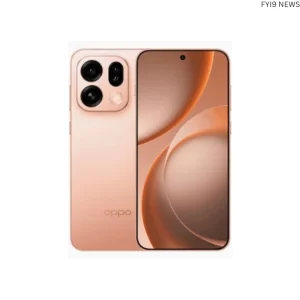
It has a 50MP main camera, a 50MP ultrawide camera and a 50MP periscope telephoto camera with 3x optical zoom.
The telephoto camera is useful for portraits and distant subjects. OPPO also supports up to 120x Super Zoom, although image quality naturally depends on the zoom level and shooting conditions.
Hasselblad Portrait Mode is designed to produce natural-looking background blur and portrait tones.
The Find X9s can also record 4K video at 60fps and supports optical and electronic stabilisation.
Its LUMO Image Engine is used to improve image quality and maintain detail and colour across different focal lengths.
Best for: Portraits, travel photography and everyday photography.
-
Xiaomi 17T
The Xiaomi 17T takes a more photography-focused approach with Leica-tuned cameras.
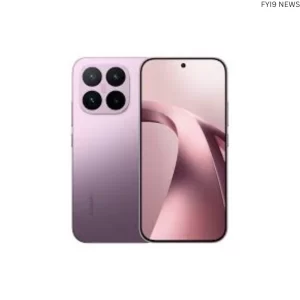
Its camera setup includes a 50MP primary camera, a 12MP ultrawide camera and a 50MP Leica periscope telephoto camera.
The periscope camera gives the phone an advantage when photographing distant subjects.
Xiaomi’s Leica features also focus on colour, portraits and creative photography. Computational photography helps the phone process complex scenes and improve the final image.
The Xiaomi 17T is a good option for users who want flagship-style camera features without necessarily moving to the most expensive flagship phones.
Best for: Leica-style photography, portraits and zoom photography.
-
OnePlus 15
The OnePlus 15 combines high-end performance with a versatile camera setup.
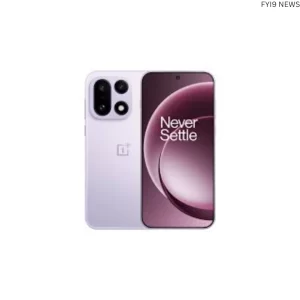
It features a 50MP main camera, a 50MP ultrawide camera and a 50MP telephoto camera with 3.5x optical zoom.
The phone is powered by the Snapdragon 8 Elite Gen 5 platform.
The camera setup is aimed at users who want good results across everyday photography, portraits and zoom shots without making photography the only reason to buy the phone.
Its large battery and high-performance hardware also make it suitable for users who regularly record video, play games and use demanding applications.
Best for: Everyday photography, portraits and users who want strong overall performance.
-
Motorola Edge 70 Pro
The Motorola Edge 70 Pro is aimed at users who want strong camera performance without moving into the ultra-premium price segment.
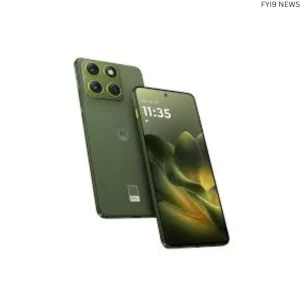
Its main camera uses a 50MP sensor with optical image stabilisation. The phone also includes a 50MP ultrawide/macro camera and a 50MP front camera.
The camera system is particularly focused on low-light photography.
The phone’s image processing and AI features are designed to improve photos and videos while keeping the experience simple for everyday users.
For buyers looking for a more affordable camera phone, the Edge 70 Pro can be an interesting alternative to the expensive flagship models.
Best for: Low-light photography, selfies and value-focused buyers.
Best Camera Phones by Use Case
There is no single phone that is perfect for everyone.
The best camera phone for you depends on what you photograph most often.
Best Camera Phone for Photography
The Google Pixel 10 Pro XL is a strong choice for people who want excellent computational photography and AI-assisted image processing.
The Samsung Galaxy S26 Ultra and vivo X300 Pro are also strong alternatives for users who want more control over focal lengths and zoom.
Best Camera Phone for Video
The iPhone 17 Pro is one of the strongest options for video creators.
Its support for 4K Dolby Vision, ProRes, ProRes RAW and Apple Log 2 makes it particularly suitable for creators who edit their footage.
Best Camera Phone for Zoom Photography
The Samsung Galaxy S26 Ultra and vivo X300 Pro stand out here.
The Galaxy S26 Ultra combines 3x and 5x optical telephoto cameras with longer-range optical-quality and digital zoom options.
The vivo X300 Pro goes in a different direction with its 200MP ZEISS APO telephoto camera.
Best Camera Phone for Portraits
The vivo X300 Pro and OPPO Find X9s are particularly interesting for portraits.
Their telephoto cameras allow users to capture portraits from a more natural distance while creating background separation.
Best Camera Phone for Low-Light Photography
Low-light photography depends on more than megapixels.
A large sensor, wide aperture, optical stabilisation and good image processing can all improve night photography.
The Pixel 10 Pro XL, Galaxy S26 Ultra, vivo X300 Pro and iPhone 17 Pro are strong options for users who frequently take photos at night.
Best Camera Phone for Selfies
The Pixel 10 Pro XL has a 42MP autofocus front camera with a 103-degree field of view. This makes it particularly useful for group selfies and wider selfie compositions.
The iPhone 17 Pro also has an 18MP Center Stage front camera with autofocus and advanced video features.
Best Camera Phone for Content Creators
The iPhone 17 Pro is a strong choice for creators because of its professional video features.
The vivo X300 Pro and Samsung Galaxy S26 Ultra are also worth considering if you prefer Android.
What Makes a Good Camera Phone?
A good camera phone is a combination of hardware and software.
Here are the most important things to check.
Camera Sensor Size – A larger camera sensor can capture more light. This can be particularly useful in low-light conditions. However, sensor size should be considered together with the lens, aperture and image processing.
Megapixels – A higher megapixel count does not automatically mean better photos. A 200MP camera can produce excellent images, but a well-designed 48MP or 50MP camera can also deliver outstanding results. The sensor, lens and software all matter.
Optical Image Stabilisation – OIS helps reduce the effect of hand movement. It is especially useful when taking photos at night or recording handheld video.
Telephoto and Optical Zoom – If you regularly photograph distant subjects, look for a phone with a real telephoto camera. Optical zoom generally preserves more detail than simply cropping or digitally enlarging an image.
Ultrawide Camera – An ultrawide camera is useful for landscapes, buildings, group photographs and cramped indoor spaces. It is one of the most useful secondary cameras for travel photography.
Aperture – A wider aperture allows more light to reach the sensor. This can help with low-light photography and can also contribute to natural background blur.
Computational Photography and AI – Modern phones process photographs immediately after you press the shutter. AI and computational photography can improve HDR, colours, shadows, skin tones, noise reduction and other parts of an image. This is one of the biggest reasons smartphone photography has improved so quickly.
Video Recording – If you create videos, don’t look only at photo specifications. Check whether the phone supports 4K recording, high frame rates, HDR, stabilisation and professional video formats.
Best Camera Phones in India
Indian buyers have a wide range of camera phones to choose from. The premium segment includes models such as the iPhone 17 Pro, Galaxy S26 Ultra 5G, Pixel 10 Pro XL and vivo X300 Pro.
More affordable options can provide excellent photography without the price of an ultra-premium flagship. When buying a camera phone in India, also consider storage. High-resolution photographs and 4K videos can quickly consume space.
It is also worth checking local pricing, exchange offers and bank discounts before making the final purchase because smartphone prices can change frequently.
Best Camera Phones by Budget
Your budget should be one of the first things you decide before buying a phone.
If you have a premium budget, phones such as the iPhone 17 Pro, Galaxy S26 Ultra and Pixel 10 Pro XL offer advanced camera systems.
If your budget is lower, look for phones with a good main sensor, OIS and a capable image processor rather than simply choosing the phone with the highest megapixel count.
For buyers in the mid-range segment, a good 50MP camera with OIS can often be more useful than a much higher-resolution camera without proper stabilisation.
The best camera phone under a particular budget can also change as new smartphones launch, so it is worth checking current prices before purchasing.
Checklist Before Buying a Camera Phone
- Check the main camera sensor and resolution
- Look for OIS on the primary camera
- Check whether the phone has a real telephoto camera
- Compare optical zoom instead of only digital zoom
- Check the ultrawide camera
- Check low-light photography capabilities
- Check whether the selfie camera has autofocus
- Look at 4K video recording support
- Check supported video frame rates
- Check video stabilisation
- Look for HDR video if you shoot videos regularly
- Check professional video features if you are a content creator
- Consider the chipset and image-processing capabilities
- Choose enough storage for photos and videos
- Check battery capacity and charging speed
- Look at real camera samples instead of relying only on specifications
- Check software update support
- Compare the phone with other models in the same price range
Camera Phone vs DSLR or Mirrorless Camera
Smartphones have become extremely capable, but they have not made dedicated cameras completely irrelevant.
A smartphone is easier to carry and can automatically process images within seconds.
It is also connected to the internet, making it easy to share photographs and videos immediately.
A DSLR or mirrorless camera still has major advantages in areas such as sensor size, interchangeable lenses and manual control.
For professional photography, wildlife photography, studio work and specialised shoots, a dedicated camera can still provide more flexibility.
For everyday photography, travel, social media and quick content creation, however, a modern flagship smartphone can be remarkably capable.
Are Megapixels Important in a Camera Phone?
Yes, but they are not everything. A higher megapixel count can provide more detail and give you more flexibility to crop an image. But a camera with fewer megapixels can still produce better photographs if it has a larger sensor, better lens, optical stabilisation and stronger image processing. Instead of asking only how many megapixels a phone has, look at the complete camera system.
Frequently Asked Questions About the Best Camera Phones
Q. Which is the best camera phone in 2026?
A. The answer depends on your needs. The iPhone 17 Pro is a strong choice for video and content creation, while the Samsung Galaxy S26 Ultra and Pixel 10 Pro XL are excellent options for Android users.
Q. Which phone has the best camera quality?
A. The iPhone 17 Pro, Samsung Galaxy S26 Ultra, Pixel 10 Pro XL and vivo X300 Pro are among the strongest options for different types of photography.
Q. Which is the best camera phone in India?
A. The best camera phone in India depends on your budget and requirements. Premium buyers can consider the iPhone 17 Pro, Galaxy S26 Ultra 5G, Pixel 10 Pro XL and vivo X300 Pro.
Q. Which phone is best for photography?
A. The Pixel 10 Pro XL is a strong choice for computational photography, while the Galaxy S26 Ultra and vivo X300 Pro offer versatile camera hardware and strong zoom capabilities.
Q. Which phone is best for video recording?
A. The iPhone 17 Pro is particularly strong for video because it supports 4K Dolby Vision, ProRes, ProRes RAW and Apple Log 2.
Q. Which phone has the best zoom camera?
A. The Galaxy S26 Ultra and vivo X300 Pro are two strong choices for zoom photography. Samsung offers multiple telephoto cameras, while vivo focuses heavily on its 200MP ZEISS APO telephoto system.
Q. Is a 200MP camera better than a 50MP camera?
A. Not necessarily. Megapixel count is only one part of a camera system. Sensor size, lens quality, OIS, autofocus and image processing can have a major effect on final image quality.
Q. What should I look for when buying a camera phone?
A. Look at the main sensor, OIS, telephoto camera, optical zoom, ultrawide camera, low-light performance, video features and image processing. You should also consider storage and battery life.
Q. Which is better for photography, iPhone or Android?
A. Both can produce excellent results. iPhones are particularly strong for video and consistent image processing, while Android flagships often provide more flexibility with zoom, AI photography and camera controls.
Q. Which camera phone is best for low-light photography?
A. The Pixel 10 Pro XL, Galaxy S26 Ultra, iPhone 17 Pro and vivo X300 Pro are strong options. Low-light performance depends on the sensor, lens, OIS and computational photography rather than megapixel count alone.
Conclusion
The best camera phones in 2026 are much more than smartphones with high-megapixel cameras. They combine advanced sensors, better lenses, optical stabilisation, telephoto cameras and powerful image processing to produce better photographs and videos.
The iPhone 17 Pro is a strong choice for people who prioritise video and content creation. The Samsung Galaxy S26 Ultra 5G is an excellent option for users who want versatile cameras and powerful zoom. The Google Pixel 10 Pro XL stands out for computational photography and AI-powered features, while the vivo X300 Pro is particularly attractive to users who enjoy telephoto and portrait photography.
There is no single best camera phone for everyone. The right choice depends on what you photograph, how much video you record and how much you want to spend.
Before buying, focus on the complete camera system rather than just megapixels. Check the sensor, OIS, optical zoom, image processing, video capabilities and real-world camera performance.
With the right combination of hardware and software, today’s best camera phones can serve as powerful pocket-sized cameras for photography, travel, social media and content creation.
Also read – Consistent Infosystems Launches KAVACH USB 3.0 External SSD With Up to 450 MB/s Read Speeds
Join us on LinkedIn for quick updates – FYI9 News LinkedIn